
Factory Design and Construction Principles

FACTORY DESIGN AND CONSTRUCTION PRINCIPLES
1. Plan the layout around the production line
The factory layout should follow the flow of raw materials, semi-finished and finished goods — from receiving and production to packing and dispatch — to avoid overlapping movements and optimise time and labour. Gate positions and internal truck roads also need careful planning to keep goods flowing smoothly without congestion at peak times.
2. Meet structural and fire safety standards
The load-bearing structure must be calculated for the actual loads of machinery, stored goods and local climate conditions, especially wind loads during the rainy and storm season. At the same time, the fire protection system — from safety distances between buildings, escape routes and automatic fire alarms to fire water tanks and pumps — must comply with current standards from the design stage, not only to pass acceptance but also because it is a mandatory condition for foreign investors to approve putting the plant into operation.
3. Optimise ventilation, natural lighting and temperature control
Roof design, skylights and ventilation should make the most of natural light and airflow to reduce the load on artificial lighting and cooling, while creating a comfortable working environment. This is especially important in regions with a hot and humid climate all year round, such as southern Vietnam.
4. Choose suitable materials and construction methods
Building materials must offer durability, corrosion and heat resistance and a long service life, while balancing initial investment against maintenance costs over the building's life cycle. The choice of construction method — pre-engineered steel, modular assembly or conventional concrete — should also depend on the industry and the start-up schedule required by the tenant.
Following these principles fully from the design stage is the foundation for VinaFactory to build factories to Korean standards — safe, durable and ready to meet the strict due diligence of international investors.
A well-designed factory should also allow for future expansion or a change of use when the tenant's production needs change, instead of being locked into a fixed structure from the start. This reduces renovation costs and shortens production downtime when the factory needs upgrading.
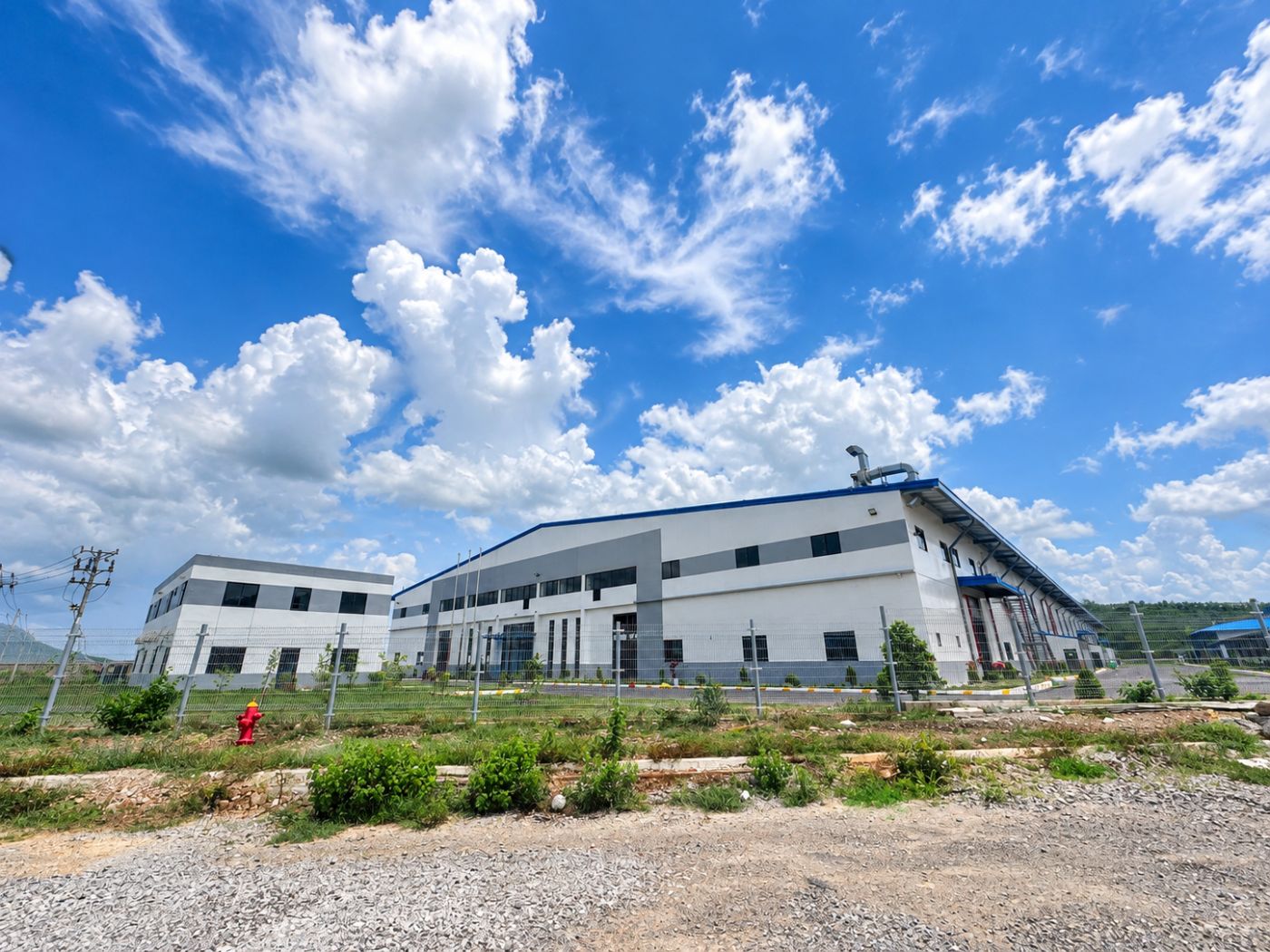
The ready-built factories at Dong Ha Industrial Cluster are designed according to these principles. See the list of available factories and rental prices at Dong Ha Industrial Cluster.
Để lại một bình luận
Email của bạn sẽ không được hiển thị công khai. Các trường bắt buộc được đánh dấu *